How Leather Venetian Blinds Elevate Interior Design: A Complete Guide
When architects and interior designers seek window treatments that go beyond mere functionality, leather venetian blinds offer something rare — a material that ages with grace, controls light with precision, and transforms the character of any room.
Unlike conventional aluminum or PVC blinds, leather venetian blinds introduce texture, warmth, and a tactile richness that synthetic materials simply cannot replicate. They are not just window coverings; they are design statements.
Why Designers Are Choosing Leather Over Traditional Materials
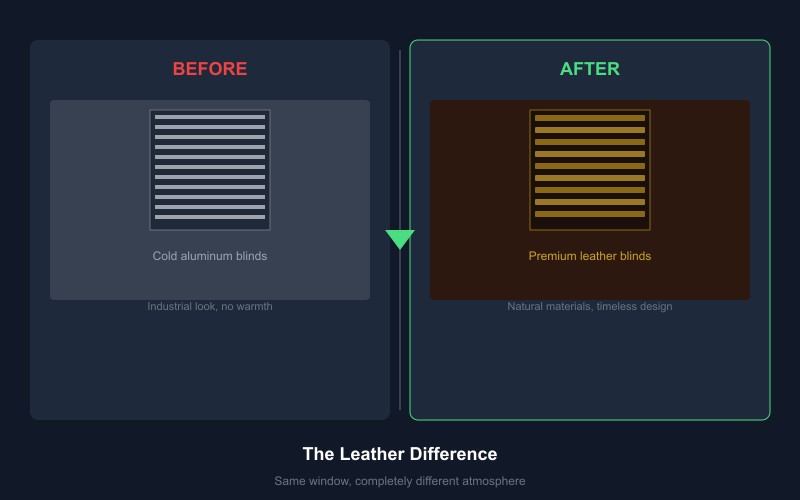
The shift toward natural materials in interior design is not a passing trend. Clients increasingly demand authenticity — surfaces that feel real, that tell a story. Leather answers this call beautifully.
Each leather slat carries subtle variations in grain and tone. Over time, genuine leather develops a patina that deepens its character. This natural aging process means your window treatments actually improve with age, unlike painted or coated alternatives that chip and fade.
For residential projects, leather venetian blinds bring a sense of understated luxury to living rooms, bedrooms, and studies. In commercial settings — boutique hotels, executive offices, high-end retail — they signal quality and attention to detail that clients notice immediately.
Integrating Leather Blinds into Different Design Styles
Minimalist Interiors
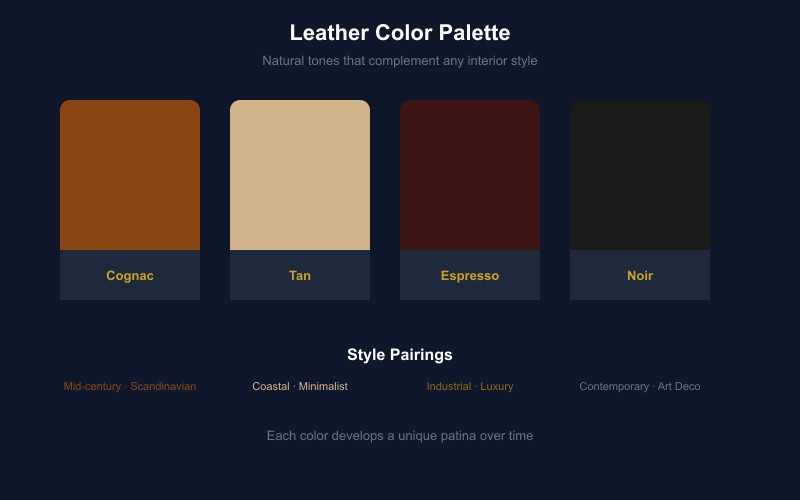
In spaces defined by clean lines and restrained palettes, leather blinds add the warmth that prevents minimalism from feeling cold. Choose neutral tones — cognac, charcoal, or ivory — to maintain visual calm while introducing organic texture.
Mid-Century Modern
Leather venetian blinds complement the mid-century emphasis on natural materials and honest craftsmanship. Paired with walnut furniture and brass fixtures, they create a cohesive design language that feels both retro and timeless.
Industrial Lofts
The raw, textured quality of leather works exceptionally well against exposed brick, concrete, and steel. Dark leather slats can anchor oversized windows in loft spaces while providing the light control these open layouts demand.
Contemporary Luxury
In high-end residential and hospitality projects, leather blinds serve as a bridge between opulence and restraint. They signal luxury without the visual weight of heavy drapery, maintaining the open, airy feel that contemporary design demands.
Color Selection: Matching Leather Blinds to Your Palette
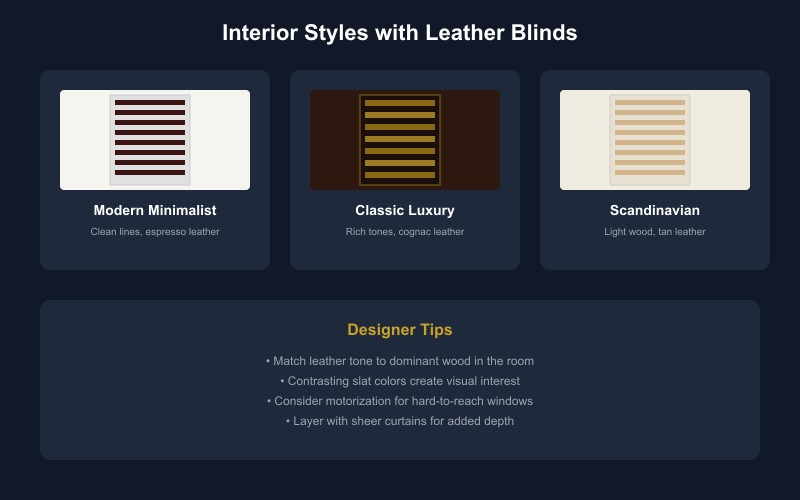
The color of your leather venetian blinds should respond to the room’s existing material palette:
- Warm-toned rooms (oak, terracotta, warm whites): Choose cognac, tan, or camel leather
- Cool-toned rooms (steel, marble, cool grays): Opt for charcoal, slate, or black leather
- Neutral palettes (concrete, linen, natural wood): Any leather tone works — consider the room’s accent colors for guidance
- Bold, colorful spaces: Use neutral leather (ivory, taupe) to ground the design without competing
Light Quality: What Makes Leather Different
Leather interacts with light differently than other blind materials. The slight sheen of finished leather creates gentle reflections that soften incoming light, reducing harsh glare without darkening the room. This quality makes leather venetian blinds particularly effective in:
- South-facing rooms with intense afternoon sun
- Home offices where screen glare is a concern
- Bedrooms where diffused morning light creates a gentler wake-up experience
The adjustable tilt mechanism allows precise control — from full light entry to near-complete blackout — giving occupants the flexibility that modern living demands.
Sustainability and Longevity
In an era of disposable interiors, leather venetian blinds represent a commitment to longevity. Quality leather, properly maintained, lasts decades. This durability makes them a sustainable choice — fewer replacements mean less waste, and the natural material avoids the environmental concerns of synthetic alternatives.
When sourced responsibly, leather is a byproduct of the food industry, making it a more conscious choice than petroleum-derived synthetic materials that dominate the budget blind market.
Working with Leather Blinds in Your Next Project
For architects and designers specifying leather venetian blinds, consider these practical points:
- Sample first: Always request physical samples to evaluate color and texture in the actual space under real lighting conditions
- Motorization compatibility: Modern leather blinds work seamlessly with motorized systems — specify this early in the design phase
- Window dimensions: Leather blinds are custom-made to fit, so precise measurements are essential
- Humidity considerations: Leather performs best in controlled indoor environments; avoid specifying for bathrooms or high-humidity spaces
Ready to Transform Your Space?
Leather venetian blinds are more than a window treatment — they are a design decision that shapes how a room feels, how light enters, and how the space ages over time.
If you are an architect, designer, or homeowner considering leather venetian blinds for your next project, our team at Pelle Blinds is ready to help. We work directly with design professionals to deliver tailored solutions that meet the specific demands of each project.
[Contact us today](https://pelleblinds.com/contact-us/) to discuss your project requirements, request samples, or learn more about our complete collection of premium leather venetian blinds.