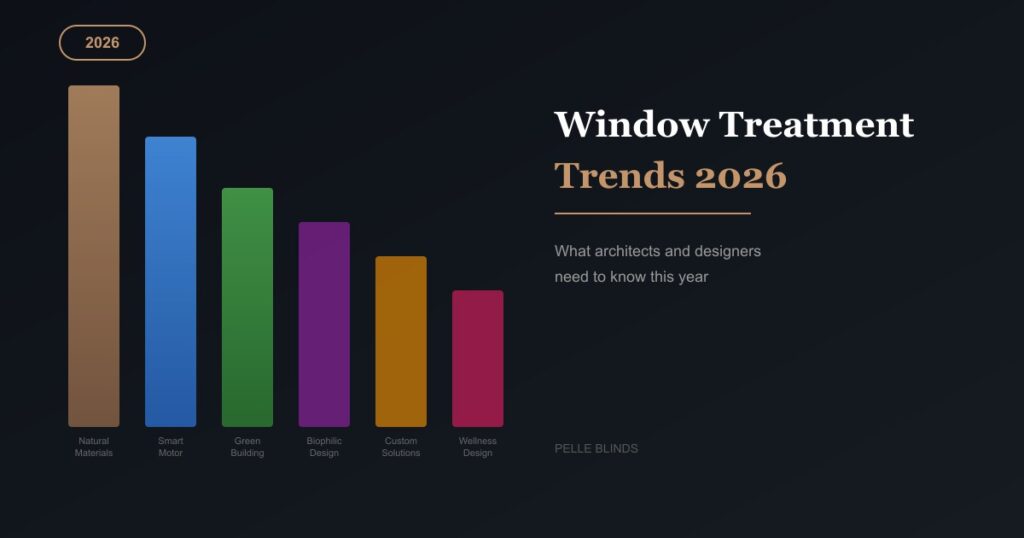
Window Treatment Trends 2026: What Architects and Designers Need to Know
The window treatment industry is evolving rapidly. Driven by sustainability demands, smart home technology, and a renewed appreciation for natural materials, 2026 brings trends that reshape how architects and designers approach shading solutions.
Here is what is shaping the industry — and what it means for your projects.
Trend 1: Natural Materials Take Center Stage
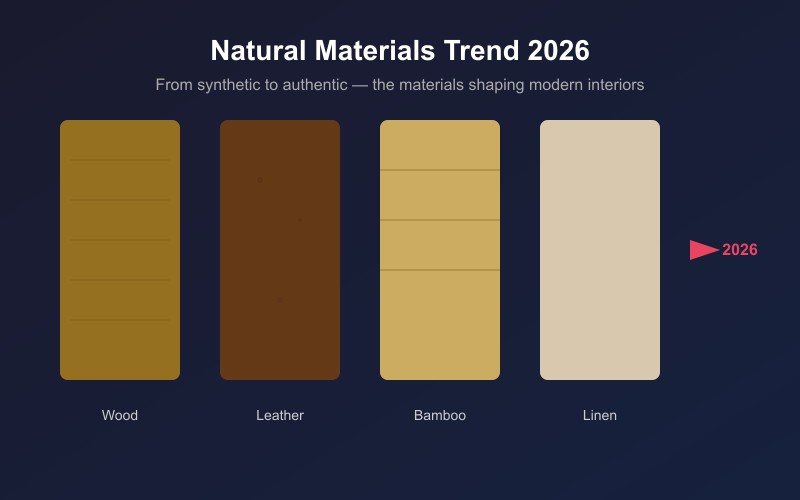
The dominance of synthetic, mass-produced window treatments is fading. Architects and clients are gravitating toward materials with authenticity, texture, and provenance.
Leather, linen, bamboo, and sustainably sourced wood are leading this shift. These materials bring a tactile quality that synthetic alternatives cannot replicate — they age, they develop character, they tell a story.
For leather venetian blinds, this trend represents a significant opportunity. Leather offers the natural material authenticity that today’s design-conscious clients demand, combined with the functional precision of modern blind systems.
What this means for your projects: Specify natural materials with confidence. Clients are increasingly willing to invest in quality materials that deliver both aesthetic and functional value.
Trend 2: Motorization Becomes Standard
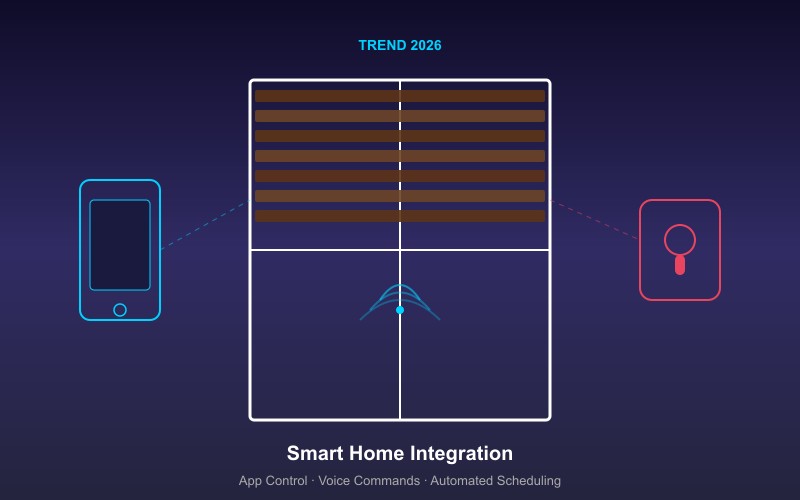
Motorized window treatments have moved from luxury add-on to baseline expectation. Several factors are driving this shift:
- Smart home penetration: Over 40% of new residential construction includes smart home infrastructure
- Energy regulations: Automated shading is increasingly recognized as a compliance tool for energy codes
- Accessibility requirements: Motorized systems meet universal design standards
- Cost reduction: Motorization technology costs have decreased significantly, making it accessible for mid-range projects
The integration of motorized blinds with platforms like Matter, Apple HomeKit, and commercial building management systems is making specification simpler and more reliable.
What this means for your projects: Plan for motorization from the start. Even if a project does not initially include automated blinds, pre-wiring for future motorization is a minimal cost that adds significant value.
Trend 3: Sustainability Drives Specification
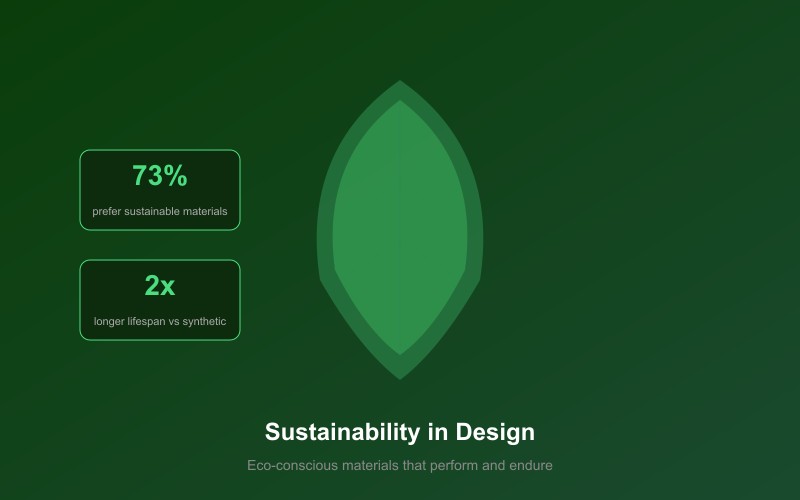
Green building certifications, ESG reporting, and client expectations are making sustainability a primary specification criterion, not a secondary consideration.
Window treatments contribute to sustainability through:
- Energy performance: Shading reduces cooling loads by 20-30%, directly lowering operational carbon
- Material longevity: Durable materials reduce replacement cycles and associated waste
- Natural material sourcing: Responsibly sourced leather, wood, and textiles avoid petroleum-based synthetics
- End-of-life recyclability: Metal and natural material blinds are recyclable or biodegradable
What this means for your projects: Document the sustainability credentials of your window treatment specifications. This information supports LEED, BREEAM, and client sustainability reporting.
Trend 4: Biophilic Design Integration
Biophilic design — the practice of incorporating natural elements into built environments — continues to gain momentum. Window treatments play a key role by:
- Maximizing natural light: Adjustable blinds allow occupants to control their connection to daylight
- Using natural materials: Leather, wood, and textile blinds bring organic texture into the interior
- Framing views: The right blind design draws attention to outdoor views rather than blocking them
- Supporting circadian rhythms: Automated blinds can be programmed to optimize natural light exposure throughout the day
What this means for your projects: Frame window treatments as part of your biophilic design strategy. The material choice and light management properties of your blinds contribute directly to occupant well-being.
Trend 5: Minimalist Hardware, Maximum Impact
The visual trend in window treatments is toward minimal visible hardware. Clean headrails, concealed mechanisms, and slim profiles allow the material — not the hardware — to be the visual focus.
This trend favors products where the material quality is the primary design element. Leather venetian blinds, with their rich texture and natural variation, are perfectly positioned for this approach.
What this means for your projects: Specify blinds with minimal visual hardware. The clean lines of modern venetian systems allow the material to speak for itself.
Trend 6: Customization Over Standardization
The era of choosing from a catalog of standard options is ending. Clients expect customization — custom colors, custom sizes, custom materials, and custom automation sequences.
Manufacturers who can deliver custom solutions without prohibitive lead times or costs are winning specification. This is particularly true for the hospitality and luxury residential sectors, where every detail is expected to reflect the project’s unique design intent.
What this means for your projects: Work with manufacturers who offer genuine customization. The ability to specify exact colors, materials, and configurations allows you to deliver the precise design vision your clients expect.
Trend 7: Wellness-Centered Design
Post-pandemic, wellness in design has moved from trend to expectation. Window treatments contribute to wellness through:
- Glare reduction: Comfortable light levels reduce eye strain and headaches
- Sleep quality: Blackout capabilities support healthy sleep patterns
- Thermal comfort: Insulating blinds maintain comfortable room temperatures
- Acoustic comfort: Sound-absorbing materials reduce noise levels
- Connection to nature: Adjustable blinds allow occupants to maintain their connection to the outdoors
What this means for your projects: Position window treatments as a wellness investment, not just a functional necessity. The daily impact of light and thermal management on occupant well-being is significant and measurable.
Staying Ahead of the Curve
The window treatment industry will continue to evolve. The trends of 2026 — natural materials, motorization, sustainability, biophilic design, minimalism, customization, and wellness — are not fads. They reflect fundamental shifts in how buildings are designed, built, and occupied.
For architects and designers, staying ahead means working with partners who understand these trends and can deliver products that meet them.
Partner with Pelle Blinds
At Pelle Blinds, we combine premium natural materials with modern manufacturing technology to deliver window treatments that meet the demands of contemporary architecture. Our leather venetian blinds are designed for professionals who refuse to compromise on quality, performance, or design.
[Contact us](https://pelleblinds.com/contact-us/) to discuss how our products align with current industry trends, request our latest collection catalog, or start a conversation about your next project.