Smart Blinds and Natural Light Control: The Complete Guide for Modern Interiors
Natural light is the most powerful element in interior design. It shapes mood, defines space, and connects occupants to the outside world. But unmanaged natural light creates problems — glare on screens, fading furniture, uncomfortable heat, and disrupted sleep patterns.
Smart blinds solve this equation. They give you precise control over how, when, and how much natural light enters each room, all without leaving your seat.
The Science of Light Control in Buildings
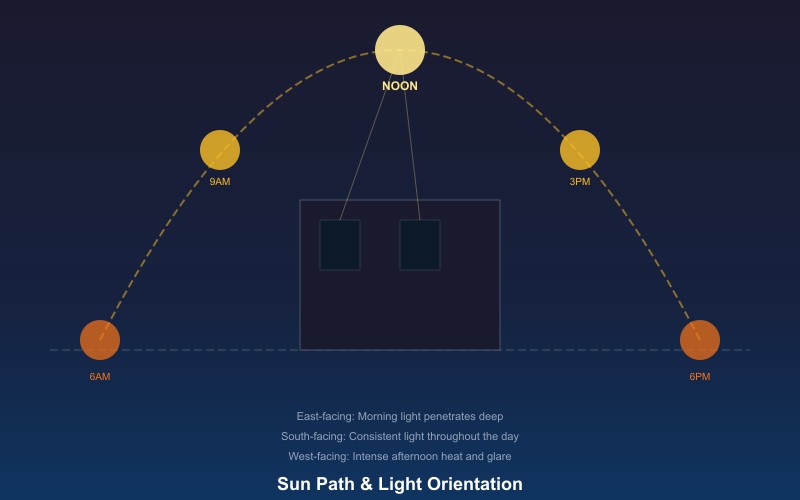
Understanding light control starts with understanding how sunlight interacts with your space throughout the day:
Morning (East-facing windows)
Low-angle light penetrates deep into rooms. It is warm and energizing but can cause glare in home offices and breakfast areas.
Midday (South-facing windows)
Direct overhead light creates the most intense heat gain. Rooms can overtake quickly without adequate shading.
Afternoon (West-facing windows)
The harshest light of the day. Western exposure causes the most significant cooling loads and the most uncomfortable glare.
Seasonal Variation
The sun’s angle changes dramatically between summer and winter. A shading solution that works perfectly in December may be inadequate in June.
Smart blinds address all of these variables automatically, adjusting throughout the day based on sun position, room temperature, and user preferences.
How Smart Blinds Work
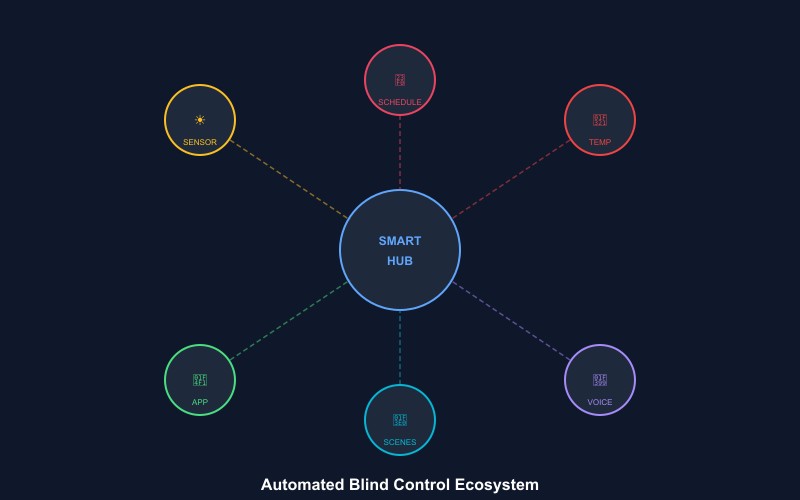
Modern smart blinds combine three core technologies:
Motorized Tilt and Lift
Electric motors replace manual cords and wands, allowing precise control of slat angle and blind position. Premium systems operate silently and smoothly.
Sensors and Automation
Light sensors detect current conditions. Temperature sensors monitor room climate. Occupancy sensors know when rooms are in use. Together, these inputs drive automated adjustments.
Connectivity and Control
Smart blinds connect to home automation systems via Wi-Fi, Bluetooth, or dedicated protocols like Zigbee and Z-Wave. Control options include:
- Smartphone apps
- Voice assistants (Alexa, Google Home, Apple HomeKit)
- Wall-mounted keypads
- Scheduled automation scenes
- Integration with existing building management systems
The Benefits of Automated Light Control
Energy Efficiency
Smart blinds reduce cooling costs by up to 30% by automatically closing during peak heat hours and opening when natural light can supplement artificial lighting. In commercial buildings, this translates to significant operational savings.
Comfort and Productivity
Automated glare control means no more squinting at screens or rearranging furniture to avoid sun spots. Studies show that controlled natural light improves workplace productivity by 15-20%.
Health and Well-Being
Exposure to natural light regulates circadian rhythms. Smart blinds can be programmed to maximize morning light exposure (boosting alertness) while dimming in the evening (preparing for sleep).
Furniture and Art Protection
UV radiation causes fading and degradation of fabrics, wood, leather, and artwork. Smart blinds can be set to close automatically when UV exposure exceeds safe thresholds.
Privacy Management
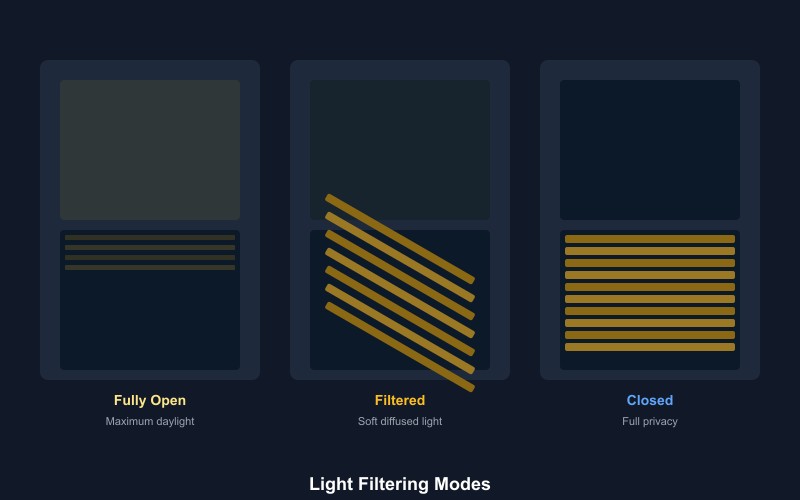
Automated schedules ensure blinds close at sunset, maintaining privacy without manual intervention. For ground-floor rooms, tilt angles can be set to allow light while preventing outside visibility.
Smart Blinds for Different Spaces
Residential Living Rooms
Scene-based automation: “Movie mode” closes blinds and dims lights. “Morning” opens east-facing blinds gradually. “Away” simulates occupancy with random open/close cycles.
Home Offices
Glare-responsive automation: Blinds tilt automatically when sensors detect screen glare conditions, maintaining comfortable working light without manual adjustment.
Bedrooms
Sleep-optimized schedules: Blinds close at a set evening time and open gradually in the morning, creating a natural wake-up experience that aligns with your circadian rhythm.
Commercial Offices
Building-wide automation: Centralized control of all window treatments, optimized for energy efficiency, occupant comfort, and daylight harvesting. Integration with HVAC systems for coordinated climate management.
Hospitality
Guest-controlled smart blinds in hotel rooms enhance the guest experience while automated common-area blinds reduce energy costs. Integration with property management systems enables room-specific automation.
Choosing the Right Smart Blind System
When specifying smart blinds for a project, consider:
Motor Type
- Battery-powered motors: Easy installation, no wiring required, but require periodic battery replacement
- Hardwired motors: More reliable, no battery maintenance, but require electrical planning during construction
- Solar-powered motors: Emerging option that combines easy installation with no battery replacement
Control Protocol
- Wi-Fi: Simple setup, direct cloud connectivity, but can congest home networks
- Zigbee/Z-Wave: Dedicated smart home protocols, more reliable, but require a hub
- Matter: The new universal standard — if starting fresh, prioritize Matter-compatible systems
Integration Requirements
Ensure the system integrates with your existing or planned smart home ecosystem. Compatibility with Lutron, Somfy, or other established platforms is essential for professional installations.
The Role of Material in Smart Blind Performance
The blind material significantly impacts smart system performance:
- Leather slats: Excellent light diffusion, natural insulation, and acoustic benefits — ideal for premium residential and hospitality applications
- Aluminum slats: Maximum reflectivity for heat rejection — best for commercial buildings with high cooling loads
- Wood slats: Warm aesthetic with good insulation — popular for residential applications
For projects prioritizing both aesthetics and performance, leather venetian blinds with motorized systems offer the best combination of design quality and functional control.
Planning Your Smart Blind Installation
For architects and designers integrating smart blinds into projects:
Plan early: Motorized blinds require power and connectivity — specify during the design phase, not as an afterthought
Coordinate with electrical: Hardwired systems need conduit and power at each window location
Test automation scenarios: Define the key scenes and schedules before installation
Consider user experience: The best smart blinds are the ones occupants actually use — keep controls intuitive
Take Control of Your Light
Smart blinds are no longer a luxury — they are an essential component of modern building design. Whether you are planning a new build, a renovation, or a commercial project, automated light control delivers measurable benefits in comfort, energy efficiency, and design quality.
[Contact Pelle Blinds](https://pelleblinds.com/contact-us/) to discuss motorized leather venetian blinds for your next project. Our team works with architects and designers to deliver integrated shading solutions that perform as beautifully as they look.